The Climate Story Hidden in a City’s Nighttime Heat

Why the city stays warm
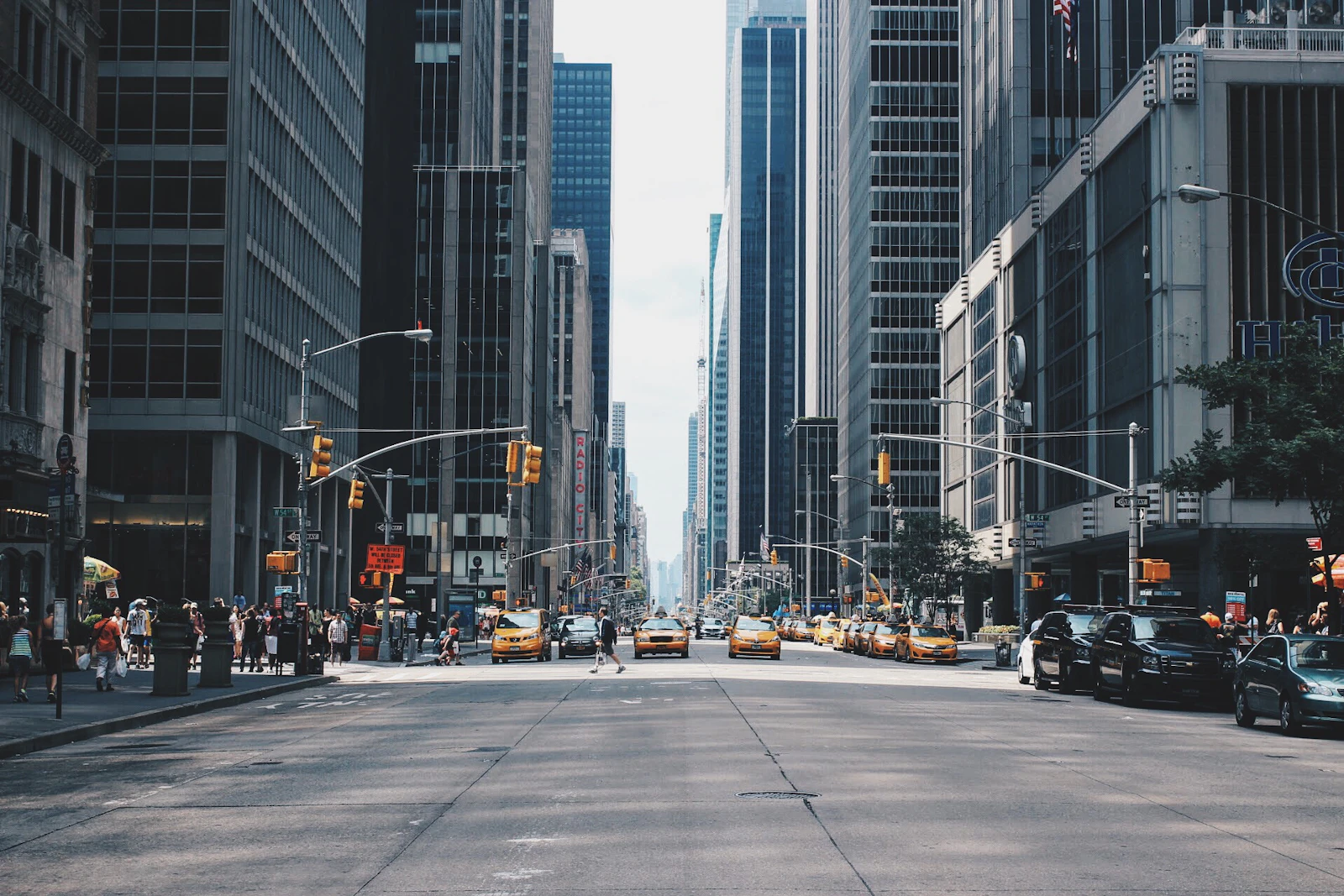
On a hot afternoon, concrete and asphalt absorb sunlight. After sunset, those surfaces begin releasing the stored heat. In dense urban areas, that process can keep temperatures noticeably higher than in surrounding rural regions.
Scientists call this the urban heat island effect.
It sounds like a small technical detail. For people living through longer and hotter summers, it is not small at all.
The hottest part of a heat wave can continue after the sun goes down.
Materials remember sunlight
Different surfaces respond to heat differently. Dark pavement absorbs more solar energy than vegetation. Buildings trap and redirect radiation. Airflow can be limited by tightly packed structures.
Trees change the equation again by providing shade and releasing water through transpiration.
The result is a city with many microclimates rather than one temperature.
Why nighttime matters
Human bodies recover from heat partly during cooler nighttime hours. When nights stay warm, that recovery becomes harder.
This is why temperature alone does not tell the whole story. Two neighborhoods with the same afternoon maximum can feel very different over a full 24-hour period.
Researchers often examine patterns like:
- Surface temperature.
- Air temperature.
- Tree canopy coverage.
- Building density.
- Wind patterns.
These measurements help planners identify neighborhoods that are especially vulnerable.
Designing a cooler city
There is no single intervention that solves urban heat. A city needs a portfolio of responses.
Planting trees helps, but trees need appropriate species and long-term maintenance. Reflective surfaces can reduce heat absorption. Building design can improve ventilation. Public spaces can provide shade and water.
The scientific lesson is broader than climate policy: small physical changes can produce large effects when repeated across an entire system.
A tree on one street is useful. A connected canopy across many streets can change a neighborhood.
Climate adaptation is sometimes described in enormous terms—megaprojects, grids, and infrastructure. Yet part of the answer may be visible at eye level, in the shade of an ordinary tree.
Science does not always ask us to imagine a different world. Sometimes it shows us how to make the world we already have a little cooler.
Dr. Arun Mehta
AuthorArun is a science writer fascinated by climate systems, physics, and the evidence hidden inside everyday phenomena.
View full profile & stories
Discussion (0)
Have a question or insight to share on this story?
Sign in to leave a comment