What We Lose When Every Place Starts Looking the Same

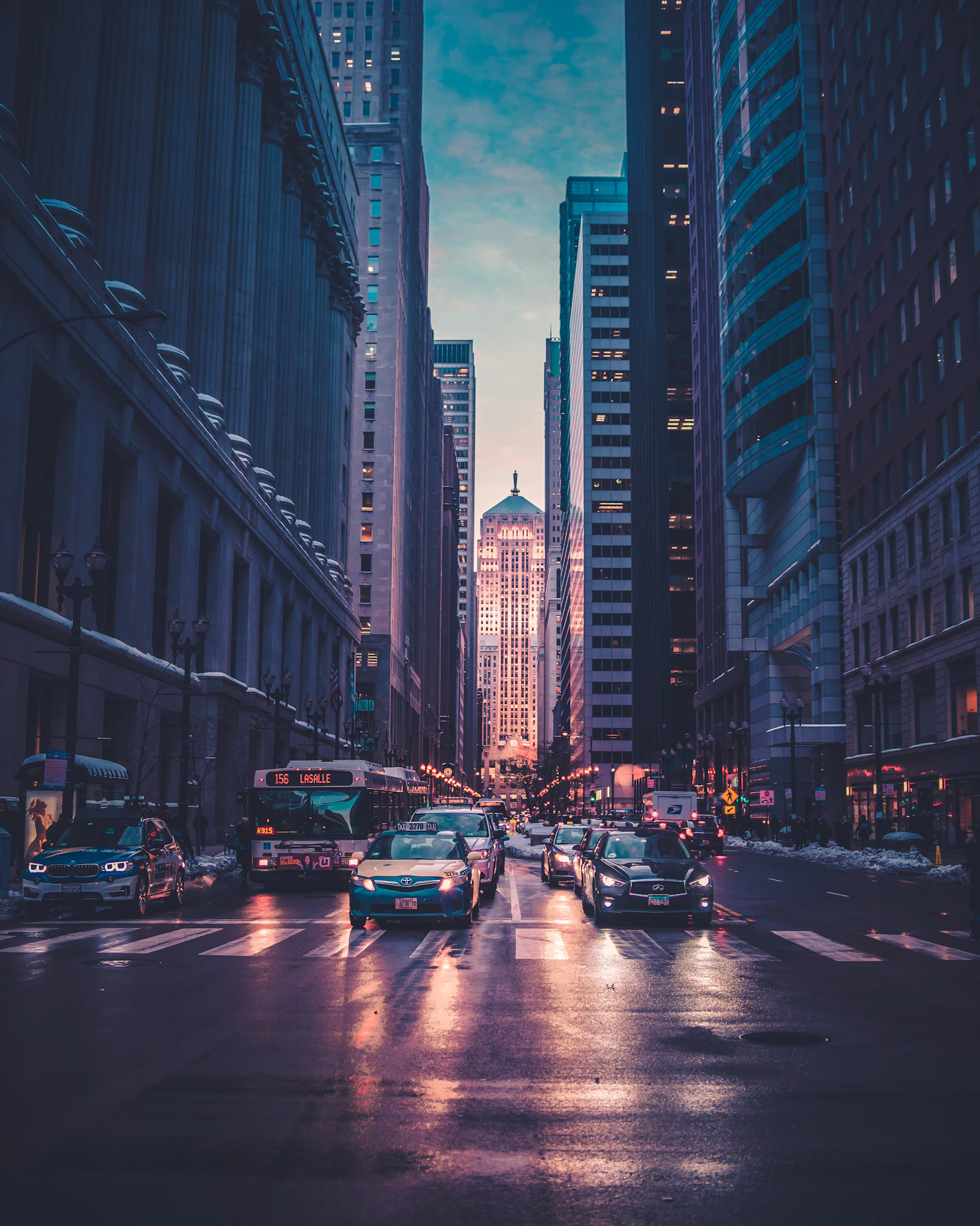
The familiar city
Walk through a major airport, business district, or shopping center and you may experience a peculiar form of déjà vu. The signs are familiar. The storefronts are familiar. The coffee tastes familiar. Even the furniture seems to have been chosen from the same international catalog.
Globalization has made travel easier, but it has also made many places easier to confuse.
Convenience travels quickly. Character takes longer.
The economics of sameness
There are rational reasons cities converge visually. International brands have recognizable identities. Developers favor layouts that are easy to finance and operate. Travelers appreciate the comfort of knowing what they will find.
None of that is inherently bad.
The trouble begins when efficiency becomes the only design principle.
A neighborhood can remain functional while losing the small irregularities that made it memorable: the independent bookstore, the faded sign above a family shop, the unusual staircase, the bakery that closes at an inconvenient hour because the owner wants to go home.
Why quirks matter
Culture is often easiest to notice in things that were never optimized.
These details create texture:
- Street food served from a cart that has no standard menu.
- A local phrase that makes no sense when translated literally.
- A building addition that looks slightly absurd but has been there for forty years.
- A family business whose visual identity was never redesigned.
The value of imperfect places
Modern urban design often tries to remove friction. But some friction creates belonging. A slightly confusing alley can become a landmark. A tiny plaza can become a meeting point simply because people decided it was one.
The challenge is not to freeze cities in the past. Cities should change. The challenge is allowing change without erasing everything that came before.
Perhaps the best future city is not the most standardized one. It is the one that remains legible as itself.
A traveler should be able to arrive somewhere new and know, within a few minutes, that they are not anywhere else.
Sofia Alvarez
AuthorSofia writes about cities, memory, media, and the cultural habits people inherit without noticing.
View full profile & stories
Discussion (0)
Have a question or insight to share on this story?
Sign in to leave a comment